TL;DR

Turn the school run and nap time into listening time
- Thousands of audiobooks, podcasts and originals
- Listen on your phone, tablet or Echo — also offline
- Cancel anytime
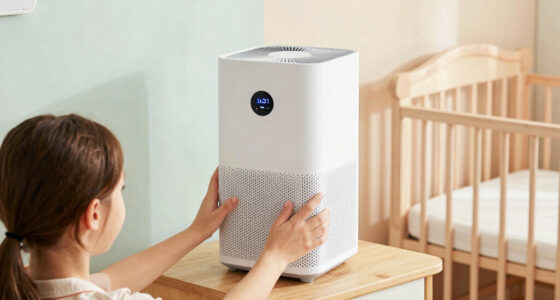
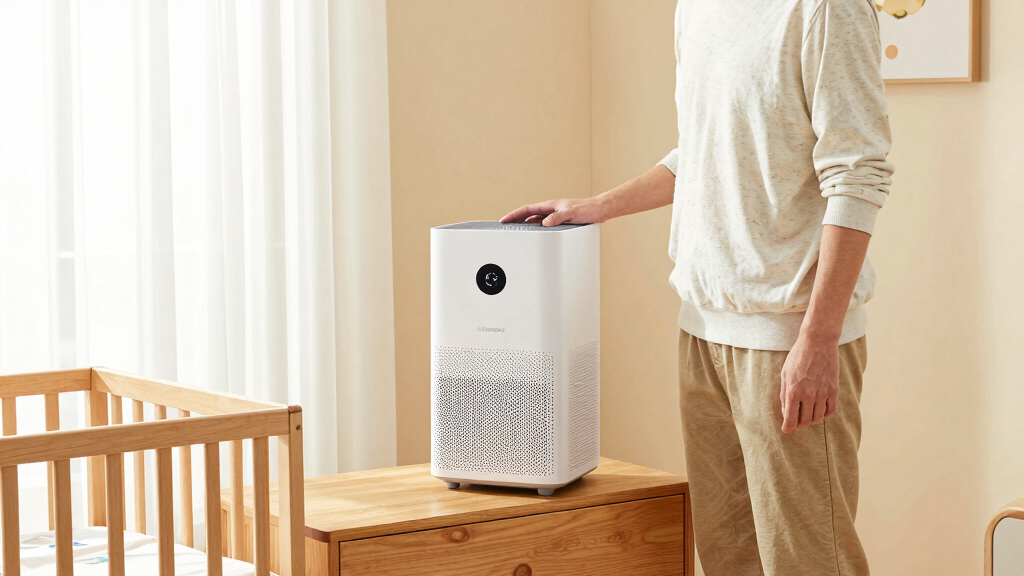
An air purifier can improve nursery air quality by reducing allergens and pollutants, especially if your home has poor outdoor air or indoor sources of pollution. Modern, ozone-free units are safe and effective when used properly, but they should complement good ventilation and cleaning.
Imagine the rich, warm aroma of your baby’s nursery—soft blankets, a hint of lavender, and a fresh, clean scent. But beneath that cozy atmosphere, unseen pollutants might be lurking—dust, pet dander, mold spores, or chemical fumes. You might wonder: do I need an air purifier to keep this space safe and healthy?
This guide takes an honest look at whether adding an air purifier makes sense for your nursery, what types work best, and how to use them safely. No fluff, just practical insights to help you make informed decisions for your little one’s comfort and health.
Indoor air can be 2-5 times more polluted than outdoor air, making air purifiers potentially valuable in nurseries.
Choose ozone-free HEPA filters for safety and effectiveness around infants.
Match your purifier’s capacity (CADR) to your nursery’s size for optimal air cleaning.
Regular filter changes and proper placement are key to maintaining safety and performance.
An air purifier should complement good ventilation, cleaning, and source control—not replace them.
Do You Need an Air Purifier in the Nursery?
Sometimes—and only as part of a bigger plan. A properly sized, ozone-free HEPA purifier can reduce airborne particles, allergens and some fumes. It cannot replace ventilation, cleaning or removal of pollution at its source.
Small lungs, real exposure
Infants have developing respiratory systems. Airborne irritants can contribute to coughing, sneezing, disrupted sleep and airway irritation—especially when several pollution sources overlap.
Dust & textiles
Rugs, curtains, bedding and stuffed toys can collect dust mites, pollen and fine particles that return to the air when disturbed.
Pets & pollen
Dander and outdoor pollen travel between rooms on clothing, fur and open-window airflow—even when pets stay out of the nursery.
Mold spores
A purifier may capture airborne spores, but damp walls, leaks and musty materials must be repaired or removed at the source.
Paint, furniture & VOCs
New furnishings, fragrances and cleaning products may release gases. Carbon filtration can help, but ventilation and low-VOC choices matter more.
Smoke & traffic
Wildfire smoke, tobacco smoke, cooking emissions and nearby traffic can introduce fine particles that make filtration especially useful.
Airborne germs
HEPA can trap some bacteria and virus-containing particles. It adds risk reduction, but does not replace hygiene or healthcare guidance.
Filter the air—not the facts
The benefit depends on what is in the air. HEPA targets particles; activated carbon targets certain gases and odors. Neither technology fixes leaks, dampness or ongoing smoke sources.
Capture efficiency for particles at 0.3 microns under the filter’s rated test conditions. Real-room performance also depends on airflow, placement and run time.
What belongs in a nursery?
Look beyond marketing labels. The safest practical default is a quiet, appropriately sized unit with true HEPA, useful carbon media and verified ozone-free operation.
| Technology | Particles | VOCs / odors | Nursery fit | Honest limitation |
|---|---|---|---|---|
| True HEPA | ✓ Strong | ✗ Minimal | ✓ Best default | Needs adequate airflow and regular replacement |
| Activated carbon | ✗ Limited | ✓ Helpful | ✓ Good add-on | Thin carbon sheets saturate quickly |
| UV-C | ✗ No removal | ✗ No | ~ Case dependent | Efficacy varies with dose, design and exposure time |
| Ionizer / ozone | ~ Variable | ✗ No | ✗ Avoid ozone | Ozone can irritate delicate respiratory systems |
| HEPA + carbon | ✓ Strong | ✓ Helpful | ✓ Most complete | Higher filter cost and maintenance |
Performance lives in the details
A capable purifier can underperform when it is blocked, undersized or overdue for maintenance. Safe placement and consistent operation matter as much as the filter label.
Set it up to breathe
Match CADR to the room
CADR describes how quickly a purifier supplies cleaned air. A unit that is too small may run loudly without delivering enough air changes.
10 ft × 10 ft nursery
≈ 100 CFM example target
Room height, desired air changes and the manufacturer’s verified ratings affect the final choice.
A purifier is one link
Start with the source, then layer practical controls. This order usually delivers more meaningful improvement than relying on a device alone.
Find the source
Smoke, dampness, dust, pets or new furnishings?
Remove or reduce
Fix leaks, avoid fragrances and choose low-VOC products.
Ventilate safely
Bring in outdoor air when local conditions are good.
Clean gently
Damp-dust surfaces and wash dust-catching textiles.
Filter what remains
Run a sized, ozone-free HEPA purifier consistently.
The case is stronger if…
- You live near heavy traffic or experience wildfire smoke.
- Pets, pollen or known allergies affect the household.
- Outdoor air is often too polluted for open-window ventilation.
- Dust returns quickly despite sensible cleaning.
- Your child’s clinician recommends reducing airborne triggers.
You may not need one if…
- The home is smoke-free, dry and well ventilated.
- Outdoor air is generally good and indoor sources are controlled.
- There are no pets, persistent odors or allergy concerns.
- Regular cleaning keeps dust and textiles under control.
- The purchase would displace higher-priority safety essentials.
Why Air Quality Really Matters for Your Baby’s Breathing
Infants are like tiny, growing lungs—more vulnerable to airborne pollutants than adults. Their respiratory systems aren’t fully developed, so exposure to dust, pet dander, mold, or VOCs can irritate their delicate airways. When these pollutants accumulate in a nursery, it can lead to immediate discomfort like coughing or sneezing, and long-term health issues such as asthma or allergies. For example, a nursery filled with stuffed animals or thick curtains can trap dust and mold spores, increasing the risk of respiratory irritation.
Maintaining good air quality isn’t just about comfort—it’s about reducing the risk of developing chronic respiratory conditions. A cleaner environment can also promote better sleep, which is crucial for your baby’s growth and development. Think of it as creating a sanctuary that supports their fragile lungs—similar to how athletes seek fresh air for optimal performance.
Popular right now

Ninja Flip Toaster Oven and Air Fryer, 8-in-1, Stainless Steel, SP151

KitchenAid Artisan 5-Quart Tilt-Head Stand Mixer, Almond Cream

Breville Barista Pro Espresso Machine with Grinder, Brushed Stainless Steel
As an affiliate, we earn on qualifying purchases.
The Real Benefits of Using an Air Purifier in the Nursery
Adding an air purifier can significantly reduce the presence of airborne irritants and allergens, which can otherwise cause immediate discomfort or contribute to long-term health problems. For instance, a HEPA filter’s ability to trap 99.97% of particles as small as 0.3 microns means it can effectively remove pollen, dust mites, pet dander, and even some bacteria. This reduction can lead to fewer allergy symptoms, less coughing, and better sleep quality for your baby.
Furthermore, purifiers with activated carbon filters go beyond particles—they absorb gaseous pollutants like VOCs emitted from paints, cleaning products, or new furniture. These chemicals can cause headaches, respiratory irritation, or worsen asthma symptoms over time. During flu season, some models also reduce airborne bacteria and viruses, providing an extra layer of protection. The tradeoff is that these features may come with higher costs or require more maintenance, but they can make a noticeable difference in your nursery’s air quality.
Parents often report that their babies sleep more soundly and experience fewer respiratory issues after installing a quality air purifier. This isn’t just anecdotal—reducing airborne irritants directly correlates with a calmer, healthier environment for your infant.
Choosing the Right Air Purifier for Your Nursery
Not all purifiers are equally safe or effective for a nursery environment. The critical factor is ensuring the device is designed with infants in mind, avoiding models that emit ozone or strong chemical odors, which can irritate sensitive lungs. When selecting a purifier, consider these factors:
- HEPA filters: These are essential for capturing tiny particles that can trigger allergies or asthma attacks. A true HEPA filter traps nearly all common indoor allergens, reducing their presence in the air you breathe.
- Activated carbon filters: These help absorb chemical fumes and odors, which can otherwise linger and cause irritation or headaches. Choosing a purifier with a high-quality carbon filter ensures better removal of VOCs and smells.
- Ozone-free operation: Ozone can cause lung irritation and exacerbate respiratory issues. Always verify that the purifier is certified ozone-free by reputable agencies, ensuring it won’t inadvertently harm your baby.
- Quietness: Since your baby’s sleep is vital, select models with low noise levels—ideally below 30 decibels—to avoid disturbances.
- Size and capacity: Match the purifier’s CADR (Clean Air Delivery Rate) to your nursery’s size. A device with insufficient capacity won’t effectively clean the air, while an oversized one might be unnecessary and costly.
For example, a typical nursery of 10×10 feet requires a purifier with at least 100 CFM CADR, ensuring the air is refreshed approximately every 15 minutes, which is optimal for maintaining clean air.
What to Know About Safety, Maintenance, and Use
Choosing a safe, ozone-free model is paramount because ozone can cause lung irritation, especially in infants with delicate respiratory systems. Reputable certifications from agencies like CARB (California Air Resources Board) or AHAM (Association of Home Appliance Manufacturers) help ensure the purifier is safe for nursery use. Regular filter replacements—typically every 6-12 months—are essential to maintain efficiency and prevent mold or bacterial growth within the device, which could otherwise negate its benefits.
Proper placement is also critical. Position the purifier at least a few feet away from the crib, on a stable surface, and avoid placing it behind furniture or curtains that could block airflow. Remember, an air purifier is a tool, not a stand-alone solution. Good ventilation—by opening windows regularly—and source control—like choosing low-VOC paints and cleaning products—are equally important strategies. For example, if a nursery develops a musty smell, addressing the underlying mold issue is more effective than relying solely on a purifier. Think of it as fixing the leak before installing a dehumidifier—both are necessary steps in creating a healthy environment.
How Modern Air Purifiers Keep Up with Your Nursery Needs
Today’s air purifiers incorporate smart technology to enhance usability and safety. Features like air quality sensors can automatically adjust fan speed, ensuring optimal filtration without unnecessary noise or energy consumption. For example, during allergy season or when dust levels spike, the purifier can run at higher speeds, then slow down once the air improves. Many units also connect to smartphone apps, allowing you to monitor air quality in real-time and receive alerts when filters need replacing or when pollutant levels are high.
These technological advances enable parents to maintain a consistently healthy environment with minimal effort. Furthermore, most modern purifiers are ozone-free and energy-efficient, making daily use safer and more sustainable. Imagine a device that not only cleans the air but also alerts you to high VOC levels from a new piece of furniture—this proactive approach means you can address potential issues before they impact your baby’s health, leading to a truly smarter nursery environment.
Should You Skip or Invest? Making the Call
The decision to purchase an air purifier depends heavily on your home environment and your baby’s specific needs. If you live near busy roads, have pets, or notice frequent coughing or congestion in your baby, investing in a high-quality purifier can be a wise choice. For instance, a family in a city apartment noticed their baby slept more peacefully after installing a HEPA purifier, highlighting how targeted filtration can reduce exposure to harmful particles.
However, in homes with excellent ventilation, low pollution levels, and no allergy symptoms, simple measures like opening windows daily or using exhaust fans may suffice. It’s important to recognize that an air purifier is not a magic solution but rather a tool that works best when combined with other healthy habits. The tradeoff involves balancing the cost and ongoing maintenance against the potential health benefits. When choosing a model, prioritize reputable brands, proper certifications, and a size suitable for your nursery’s square footage to maximize safety and effectiveness.
The Bottom Line: Is an Air Purifier a Must? Or Just a Nice-to-Have?
In many cases, an air purifier can be a helpful addition but isn’t strictly necessary for every nursery. Its value depends on your environment—if your home has high pollution levels, or your baby has allergies or respiratory sensitivities, a purifier can be a worthwhile investment. Conversely, if your home is well-ventilated, free from pet dander, and you practice good cleaning routines, the incremental benefit may be minimal.
Think of an air purifier as a safety net—an extra layer of protection rather than a cure-all. It’s most effective when used alongside other practices like regular cleaning, controlling sources of pollution, and ensuring proper ventilation. Assess your environment carefully; sometimes, simple adjustments can make a big difference without the need for additional equipment. When you do choose to buy, select a model with good reviews, proper safety certifications, and appropriate capacity for your nursery’s size to ensure you’re making a wise investment.
Frequently Asked Questions
Is an air purifier necessary if I have no pets or known pollution sources?
Not necessarily. If your home has excellent ventilation, low pollution, and your baby shows no signs of allergies or respiratory issues, a purifier may be a nice addition but not essential. However, even in such environments, occasional use can provide extra peace of mind, especially during seasons with increased pollen or pollution spikes.Can I use a regular air purifier for my nursery, or do I need a special one?
Choose a model with a HEPA filter that is ozone-free and appropriately sized for the nursery. Avoid units that emit ozone or strong chemical odors, as these can harm delicate lungs. The right purifier should filter out common allergens and pollutants without introducing new risks, so prioritize safety certifications and features designed specifically for infants.How often should I replace the filters in my nursery’s air purifier?
Most filters need replacement every 6-12 months. Regularly inspect the filters and the device’s performance—signs like decreased airflow or odors indicate it’s time for a change. Proper maintenance ensures the purifier continues to effectively remove pollutants without becoming a source of mold or bacteria itself.Are UV-C purifiers safe for infants?
UV-C purifiers can effectively kill bacteria and viruses, but their safety depends on proper design. Many units are safe when used as directed, with UV-C light contained within the device. Avoid models that emit UV-C light directly into the room without containment, as direct exposure can be harmful to sensitive eyes and skin. Always choose reputable brands and follow manufacturer instructions.Can an air purifier replace ventilation like opening windows?
No. An air purifier complements ventilation but doesn’t replace it. Regularly airing out the nursery by opening windows helps dilute indoor pollutants, refreshes the air naturally, and reduces reliance on mechanical filtration. Combining both strategies offers the best protection for your baby’s respiratory health.Conclusion
Keeping your baby’s nursery as clean and fresh as possible doesn’t mean relying solely on an air purifier, but it helps. When chosen wisely and used properly, a quality purifier can be a quiet guardian, catching the tiny particles that irritate tiny lungs.
Remember, a truly healthy space is built on multiple layers—good ventilation, regular cleaning, and smart choices. With those in place, your nursery becomes a sanctuary of calm and comfort for your little one.